

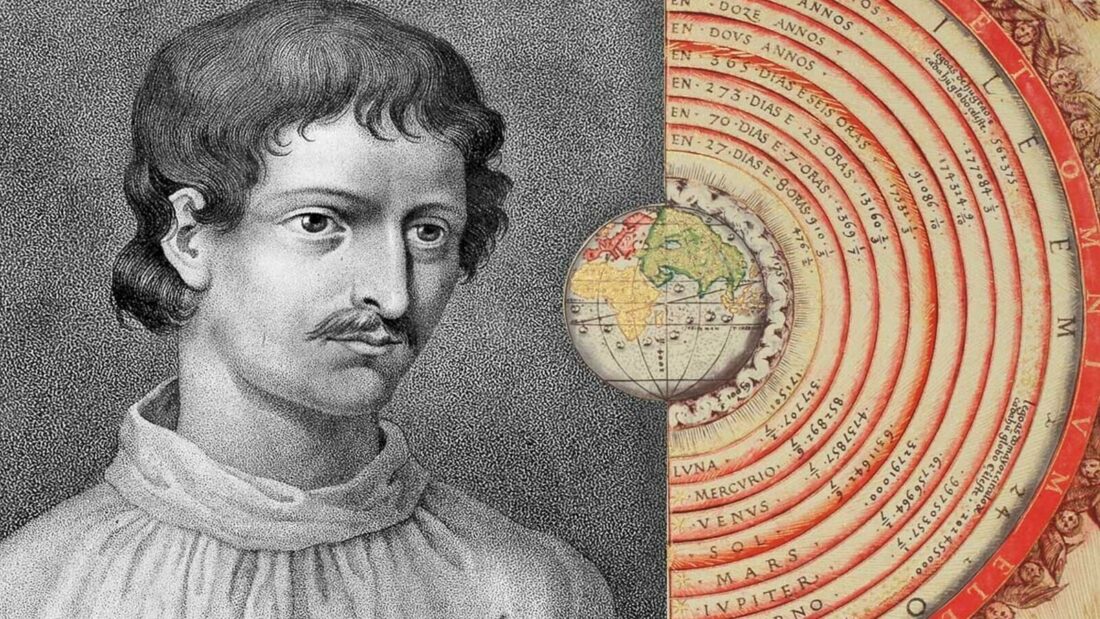
15 People Who Were Only Recognized as Right After Their Deaths
Ideas dismissed in their time, later confirmed by science, history, and hindsight
History is full of thinkers who arrived at the correct conclusion too early. Their ideas were often met with skepticism, ridicule, or outright rejection. Papers were refused, lectures ignored, and reputations questioned. Yet, long after their deaths, the world slowly caught up to what they had already understood.
One of the earliest examples comes from Ignaz Semmelweis, the Hungarian physician who insisted in the 1840s that doctors should wash their hands before assisting childbirth. In his hospital, mortality rates dropped dramatically when hygiene rules were enforced. Still, many of his contemporaries rejected the idea. It would take decades—and the acceptance of germ theory—before his insight was finally recognized. Semmelweis never lived to see that validation.
The following figures share a similar pattern: understanding ahead of their time, and recognition arriving far too late.
15
Nikola Tesla
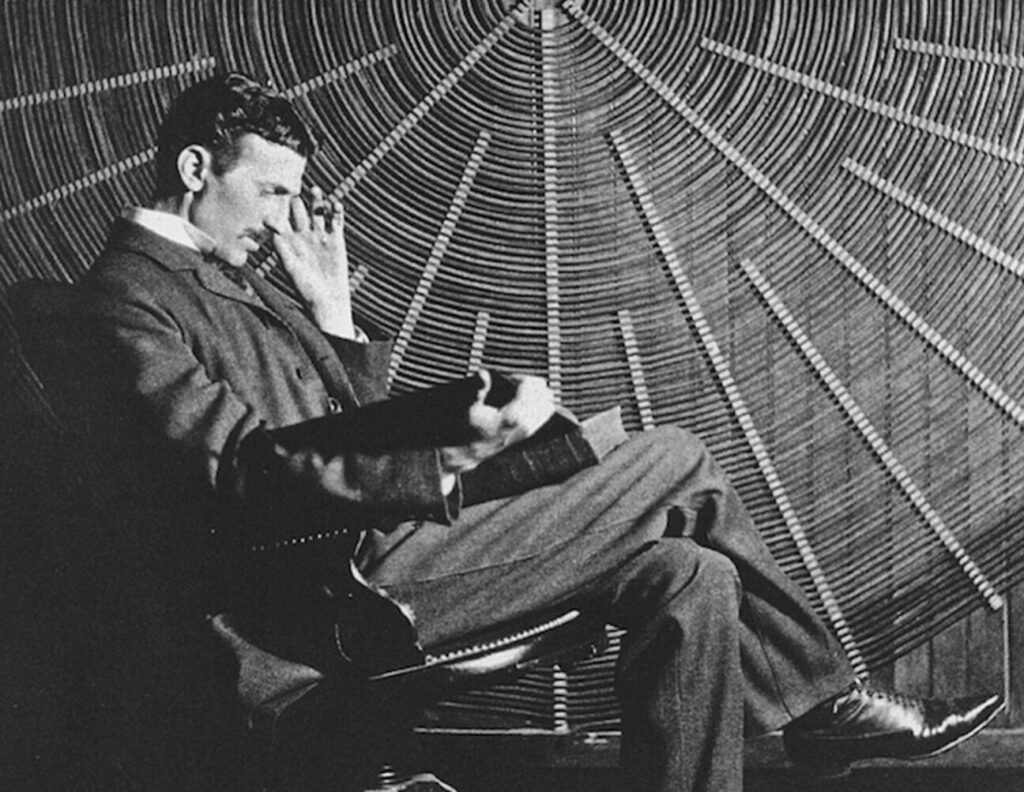
Tesla’s visionary work on wireless communication and energy transmission was largely underappreciated during his lifetime, only gaining widespread appreciation as later technologies caught up to his concepts.
14
William Harvey
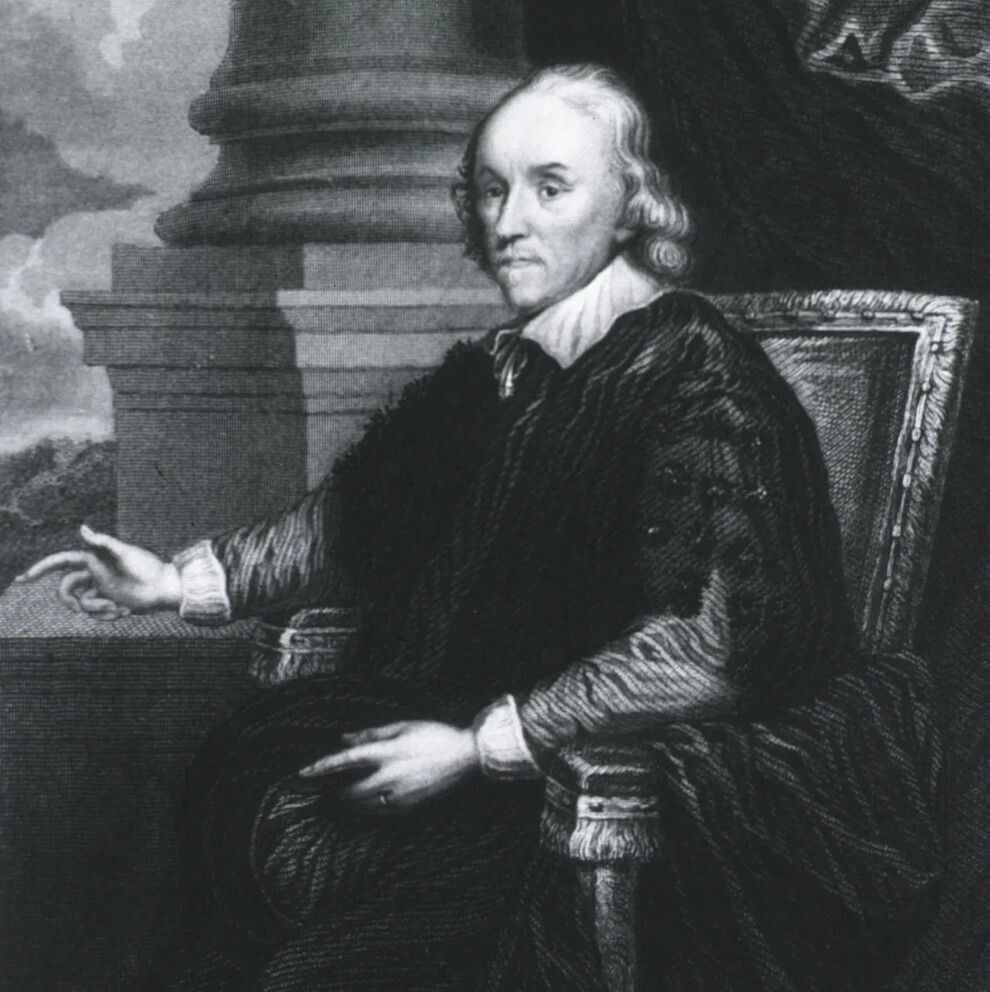
In the seventeenth century, Harvey described the circulation of blood through the body, challenging long-held medical beliefs about how the heart functioned.
13
Herman Melville
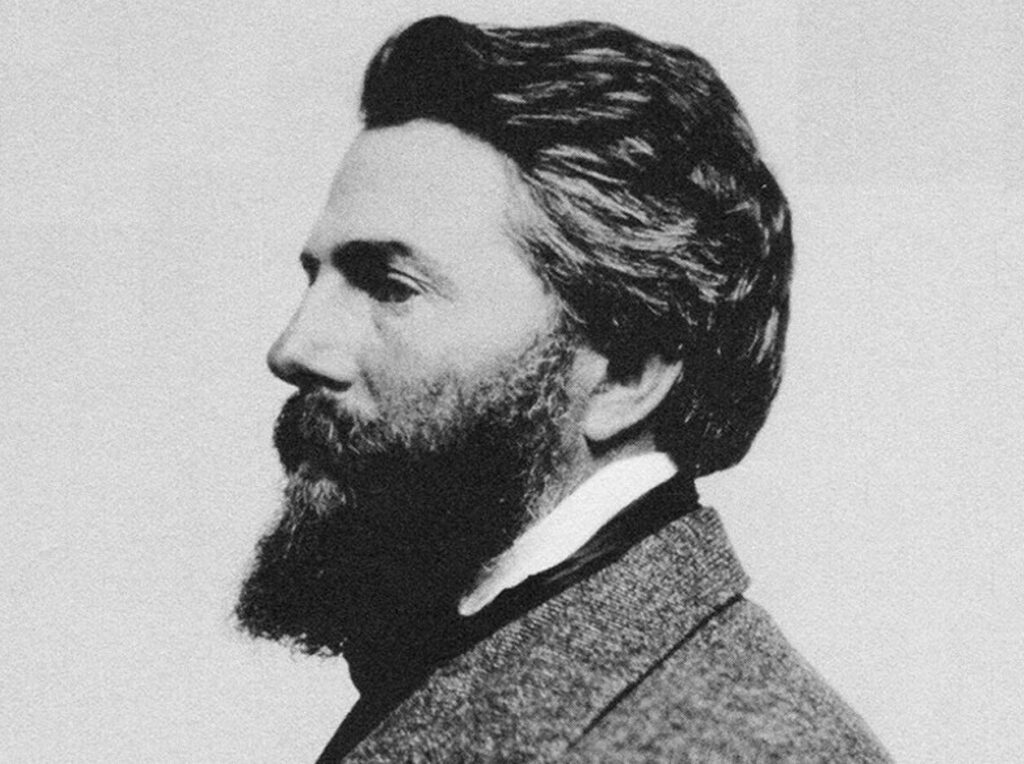
Moby-Dick received little acclaim upon publication, and Melville spent much of his later life working outside literature before posthumous recognition reshaped his legacy.
12
Emily Dickinson

After her death, thousands of unpublished poems were discovered, revealing one of the most significant poetic bodies of work in American literature.
11
Vincent van Gogh
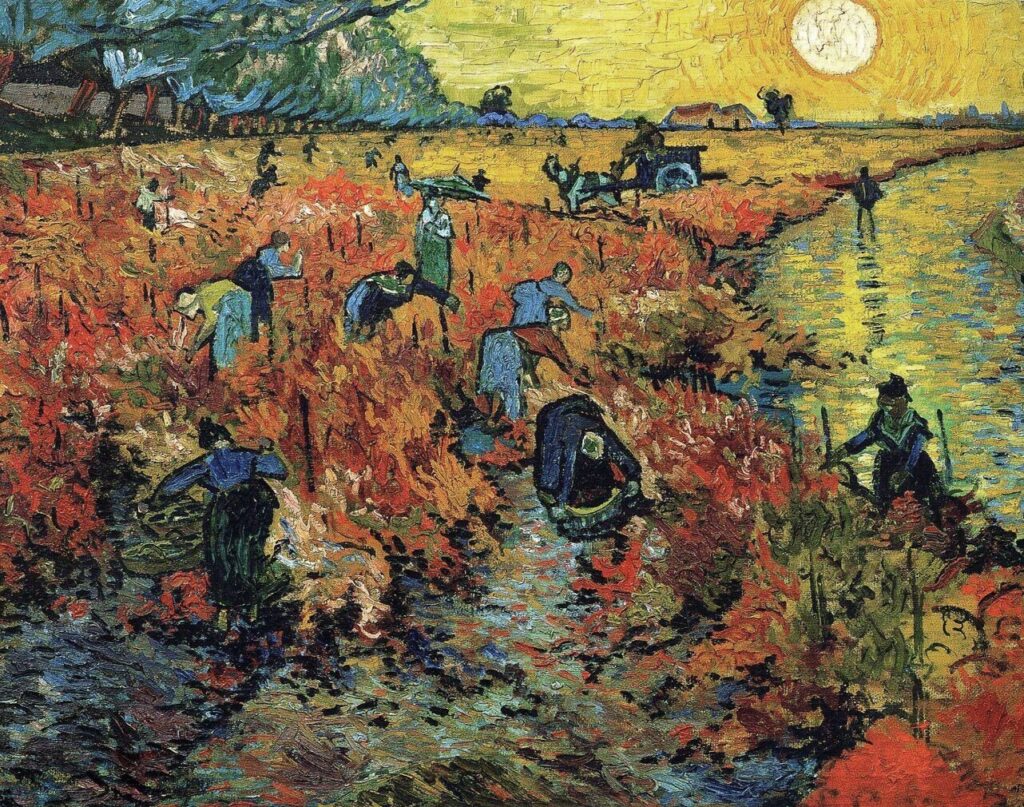
Despite creating hundreds of now-iconic works, Van Gogh sold only a single painting during his lifetime, his fame arriving only after his death.
10
Ada Lovelace
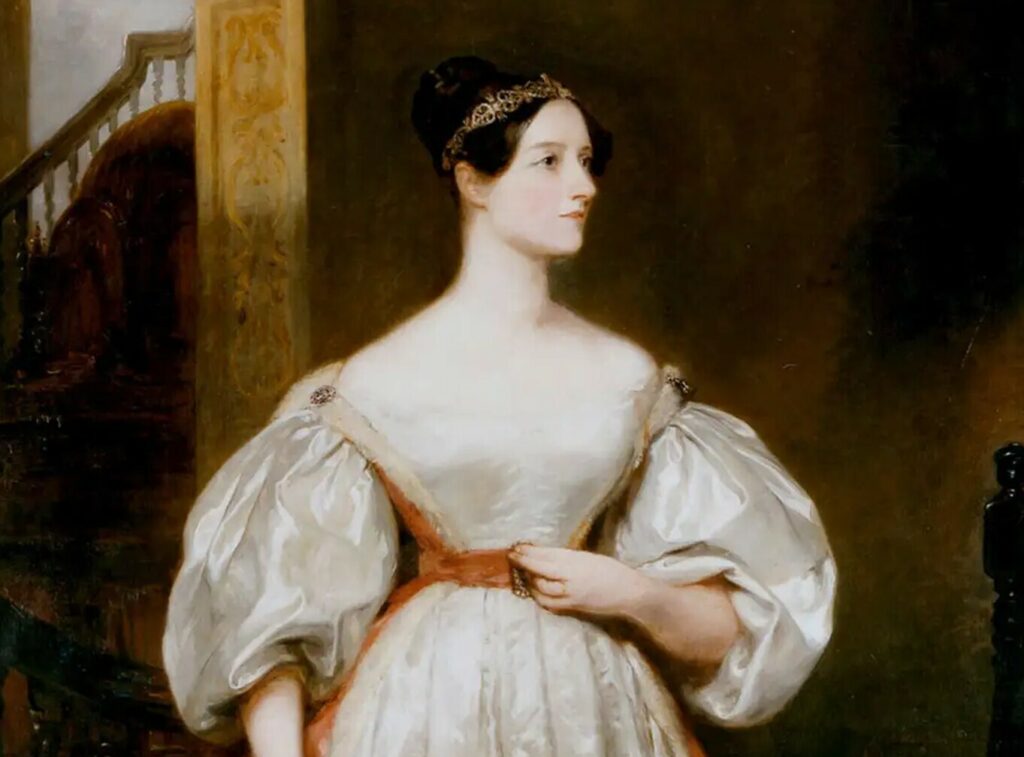
Her detailed notes on Charles Babbage’s Analytical Engine described concepts that would later be recognized as foundational to computer programming.
9
Robert Goddard
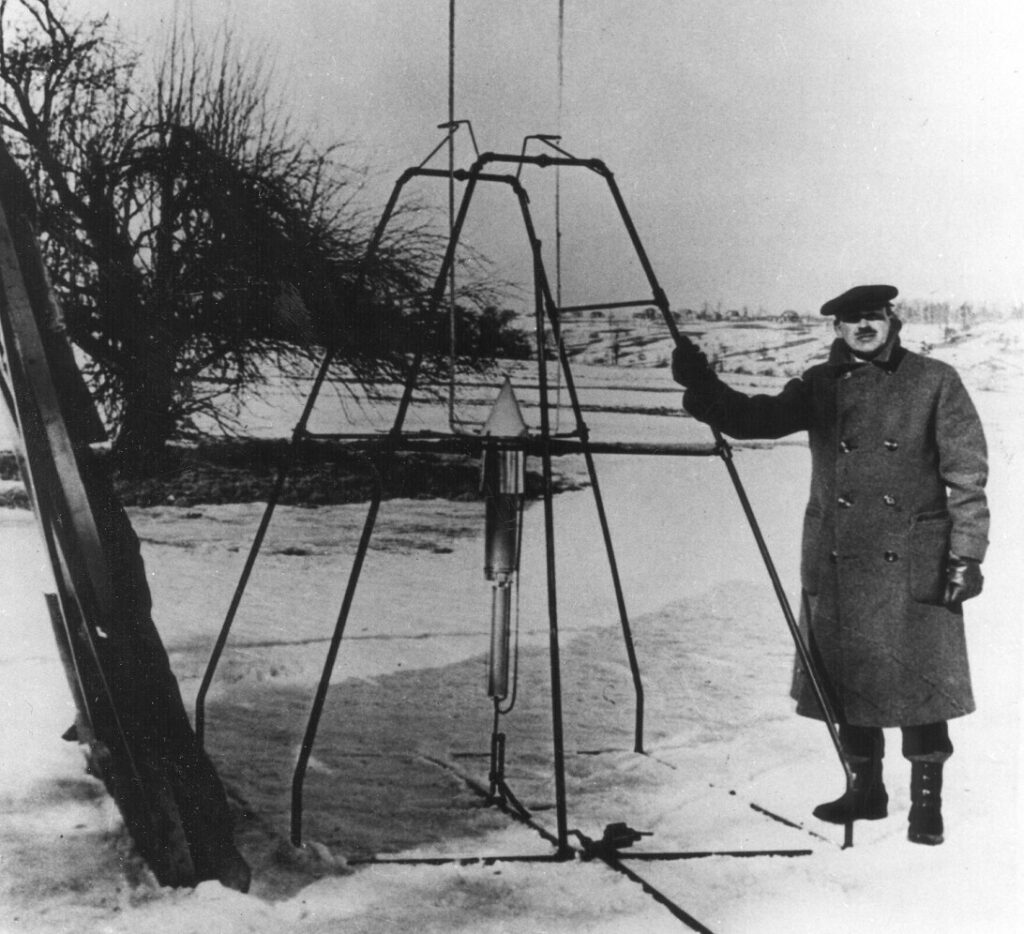
Early experiments with liquid-fuel rocketry demonstrated principles that would later become essential to space exploration, despite initial skepticism.
8
Aristarchus of Samos
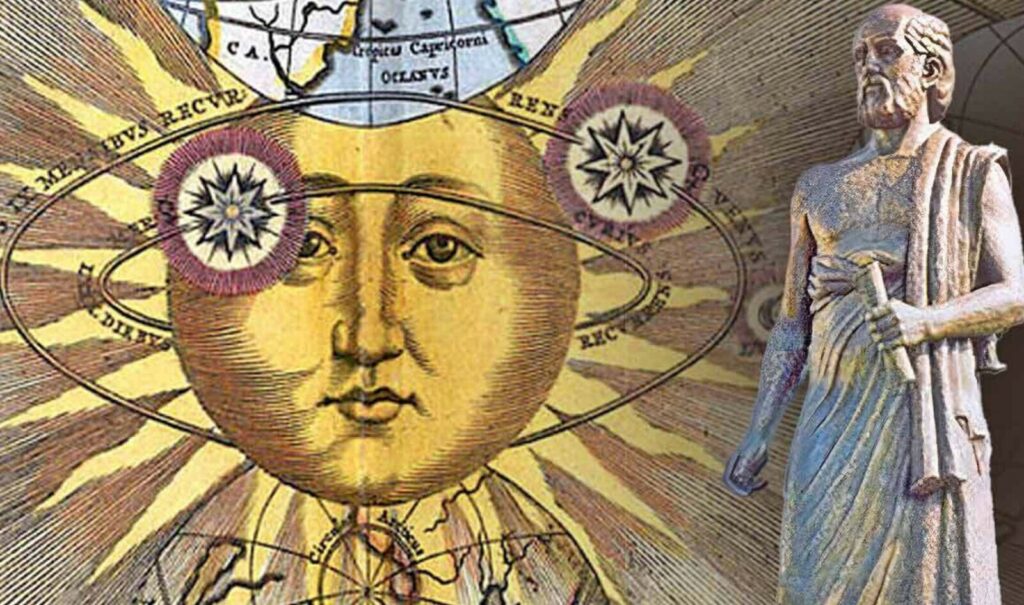
More than 1,800 years before Copernicus, Aristarchus proposed a heliocentric model placing the Sun at the center of the solar system.
7
Ignaz Semmelweis
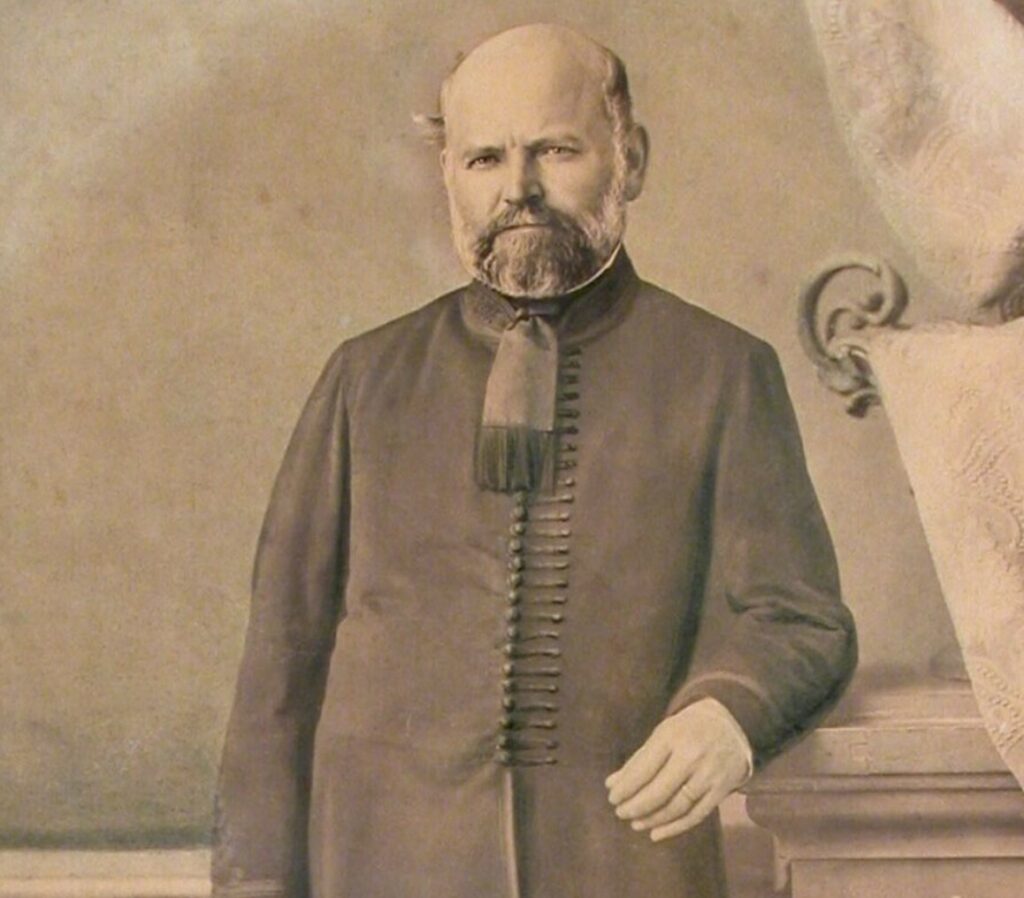
His insistence on handwashing in maternity wards significantly reduced infection-related deaths, though his findings were dismissed during his lifetime.
6
John Snow
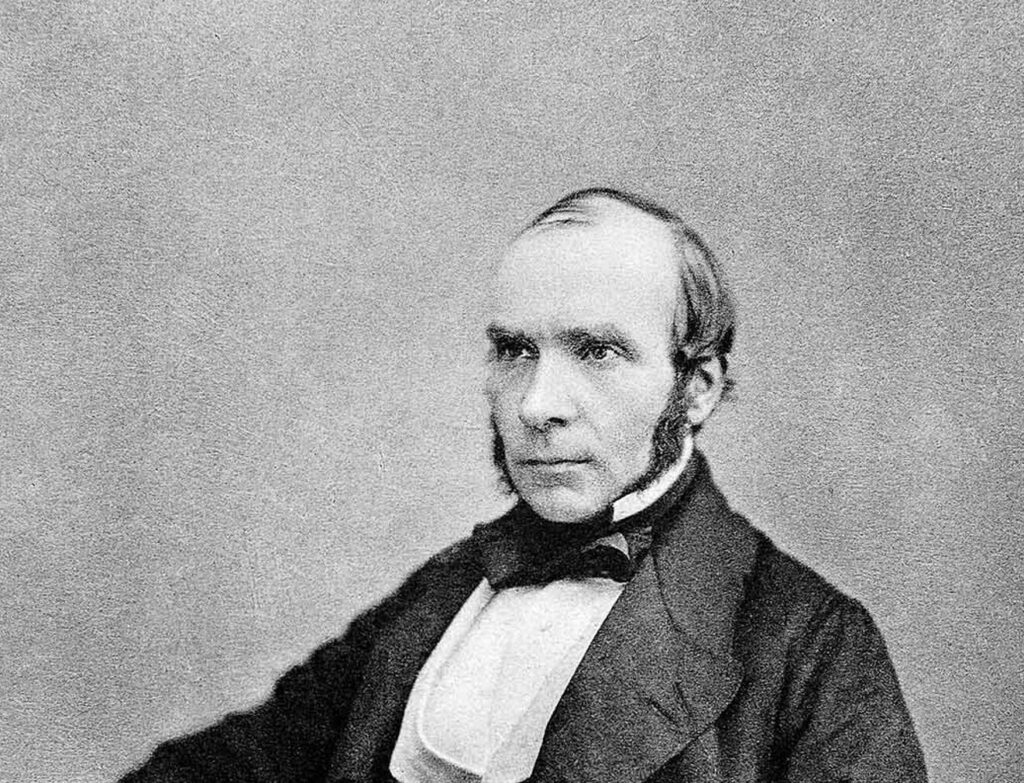
During the 1854 cholera outbreak in London, Snow’s mapping of cases identified contaminated water sources, laying the groundwork for modern epidemiology.
5
Ludwig Boltzmann
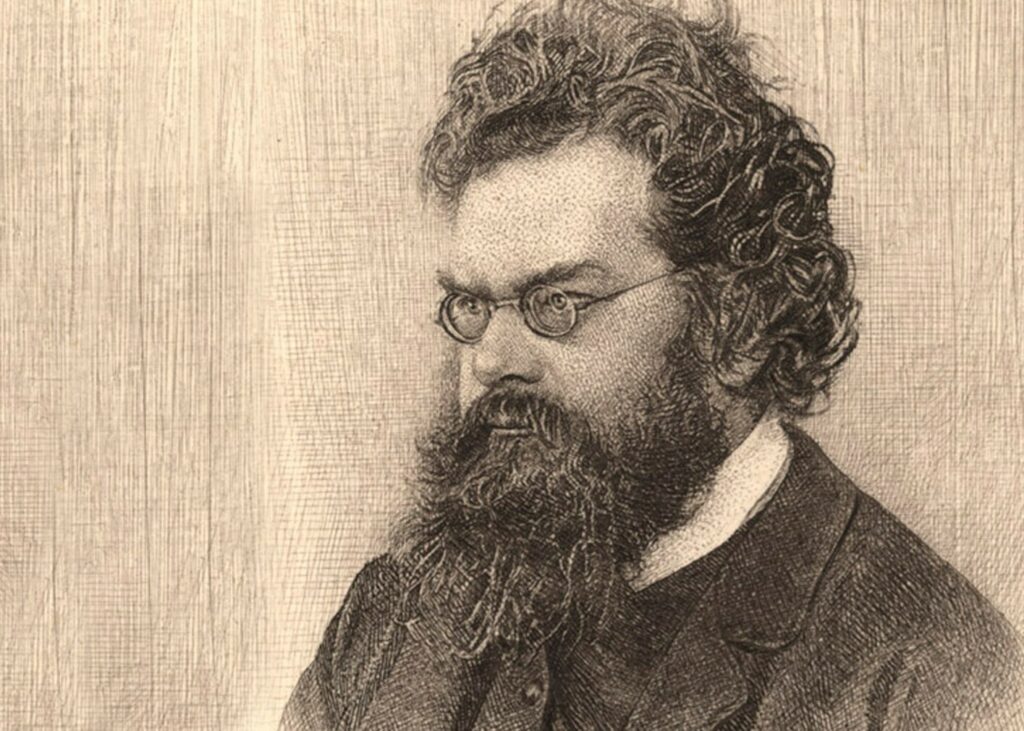
His work on statistical mechanics and atomic theory faced resistance at a time when many scientists still doubted the existence of atoms.
4
Alice Ball
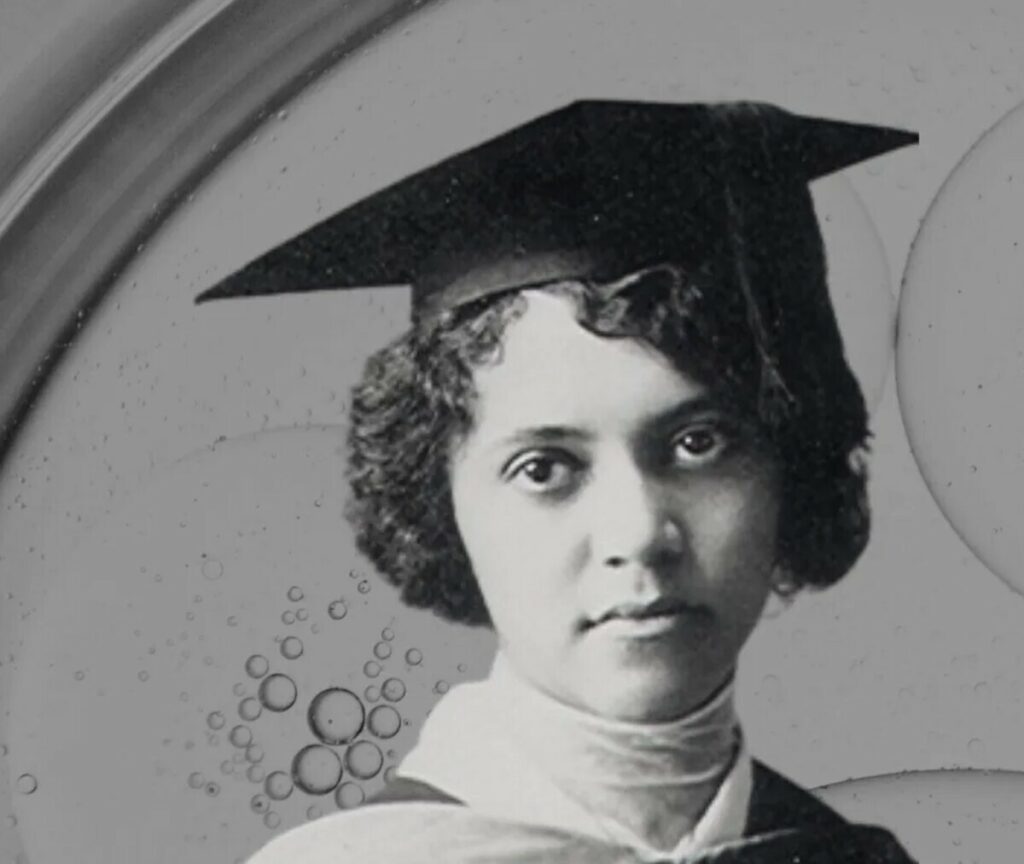
A pioneering chemist, Ball developed an effective early treatment for Hansen’s disease, though her contribution was only fully recognized after her death.
3
Alfred Wegener
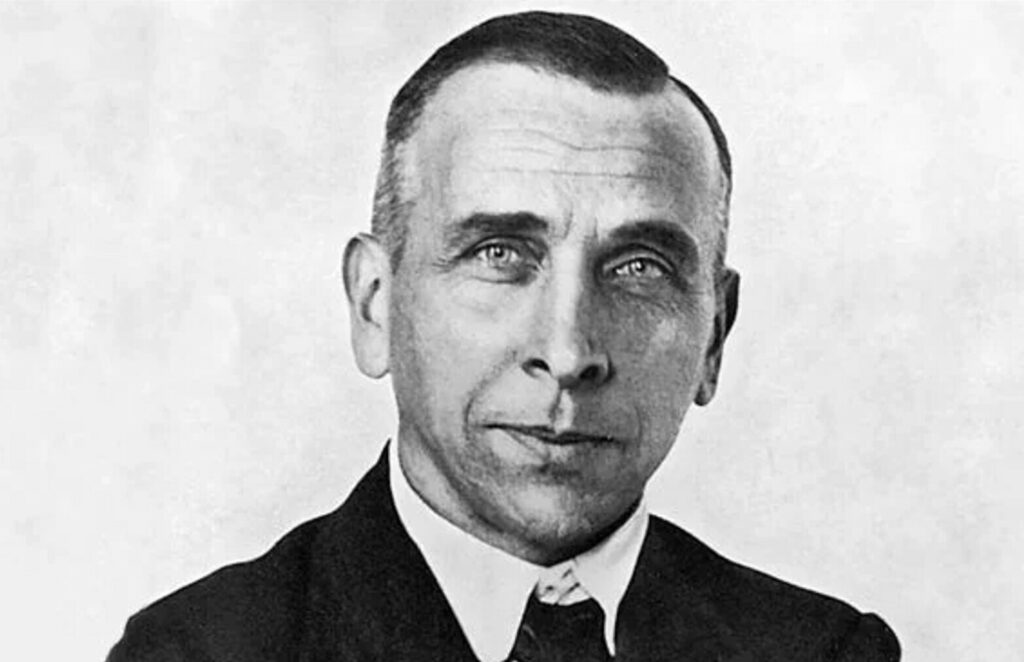
In 1912, Wegener proposed continental drift, suggesting continents once formed a single supercontinent—an idea initially dismissed but later proven correct.
2
Gregor Mendel
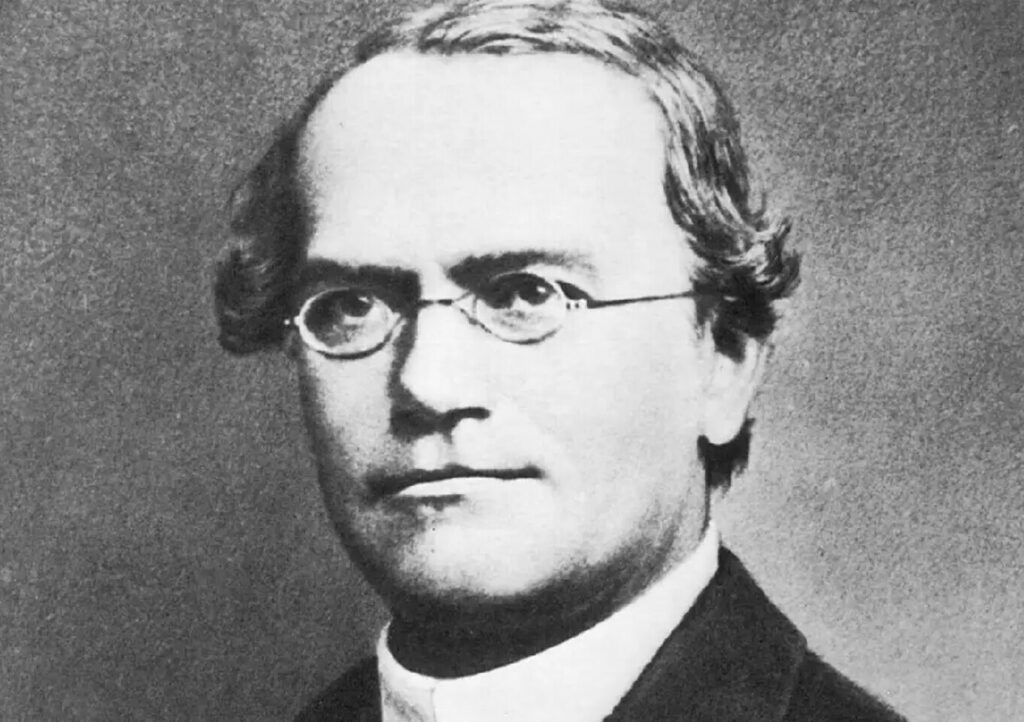
Through pea plant experiments, Mendel uncovered the basic laws of inheritance, which later became the foundation of modern genetics.
1
Giordano Bruno
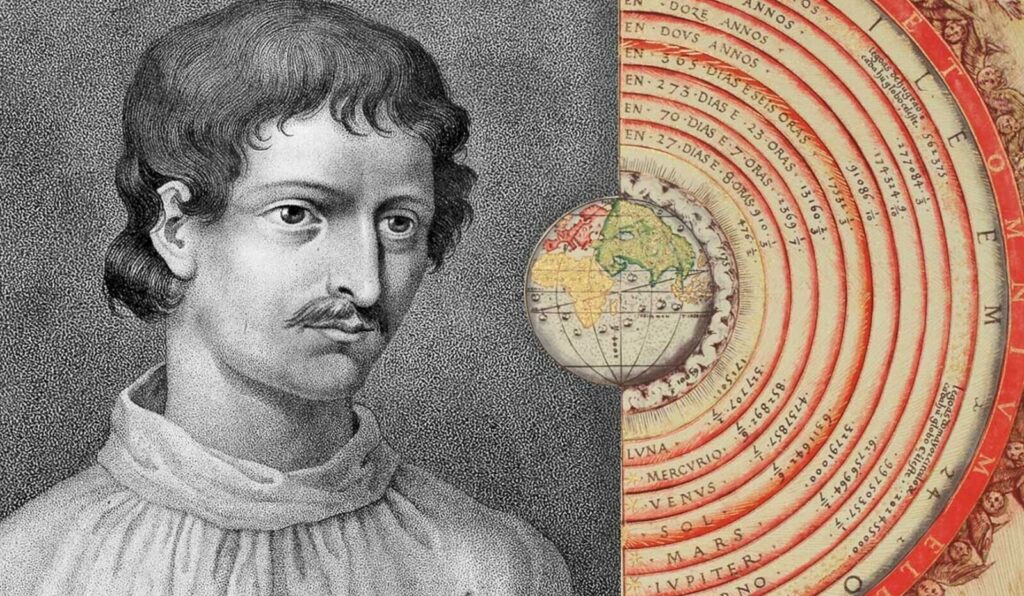
Centuries ahead of his time, Bruno proposed an infinite universe with countless worlds, ideas that would later resonate with modern cosmology.