

“Boomer” Habits That Made Perfect Sense in 1978—But Feel Outdated Today
How everyday rules from the late 1970s reflect a world that has dramatically changed
Every era writes its own unwritten rulebook. What felt practical, obvious, and even essential in the late 1970s can now appear strange or inefficient through a modern lens. Back then, life moved at a different rhythm—slower communication, fewer digital tools, and a stronger reliance on physical systems and face-to-face interaction.
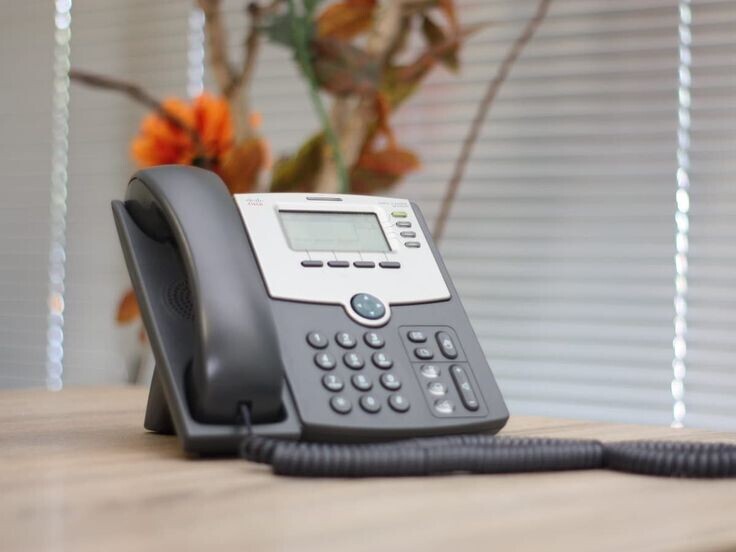
In that environment, behaviors that now seem outdated were simply common sense. People worked longer hours believing it equaled higher productivity, relied heavily on in-person meetings, treated the telephone as a central household lifeline, and left lengthy messages on answering machines as if clarity depended on volume.
But society evolved. Technology reshaped communication, workplaces transformed, and cultural expectations shifted. What once signaled stability or responsibility may now feel unnecessary—or even counterproductive.
18
Long-Term Loyalty to One Company

Staying with a single employer for decades was once seen as the definition of dedication, often ending in retirement with the same organization.
17
Keeping Every Receipt
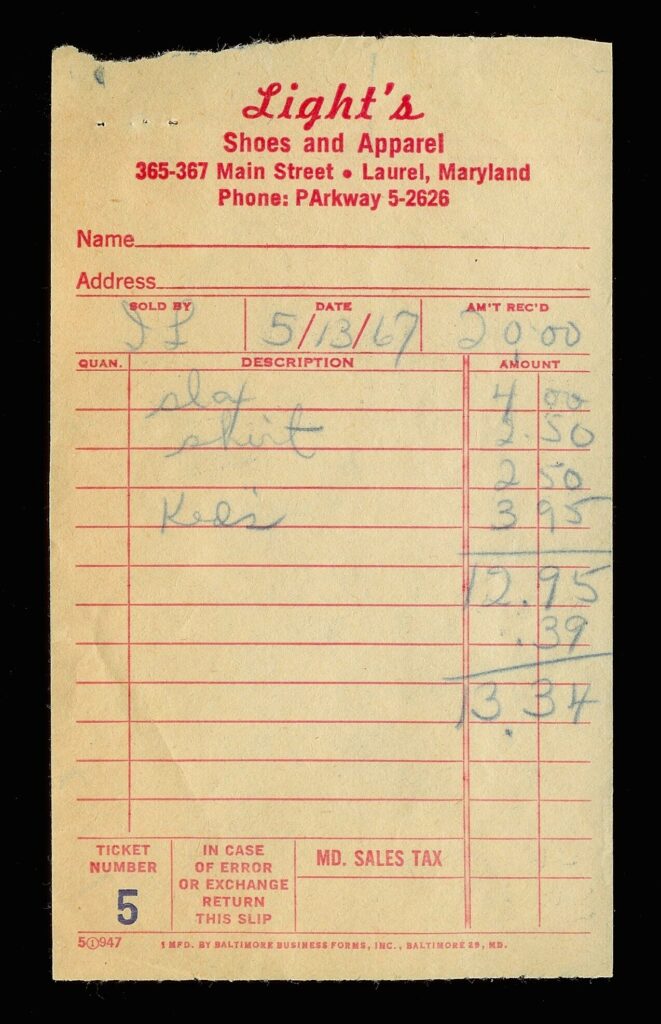
Paper records were essential in a pre-digital world, leading people to store stacks of receipts and documents that today would be automatically archived or discarded.
16
Answering Machines and Voicemail Marathons
In the 1970s and 1980s, leaving voicemail messages often turned into long, detailed monologues, as if every word needed to be captured before the opportunity disappeared.
15
Treating the Telephone as a Household Centerpiece

The landline phone was a prized household object—carefully maintained and often the primary link to the outside world.
14
Avoiding Instruction Manuals
Many everyday devices were simpler, and people often relied on intuition rather than reading through detailed guides.
13
News as Absolute Authority

Television and newspapers were widely trusted as objective sources of truth, with far less public skepticism than exists today.
12
A Cash-Only Economy

Physical money dominated daily life, with credit cards, digital payments, and contactless systems still far in the future.
11
Writing Down Every Phone Number
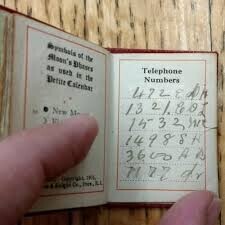
Without digital contacts, people relied on handwritten address books to store every important number.
10
Strict Long-Term Scheduling
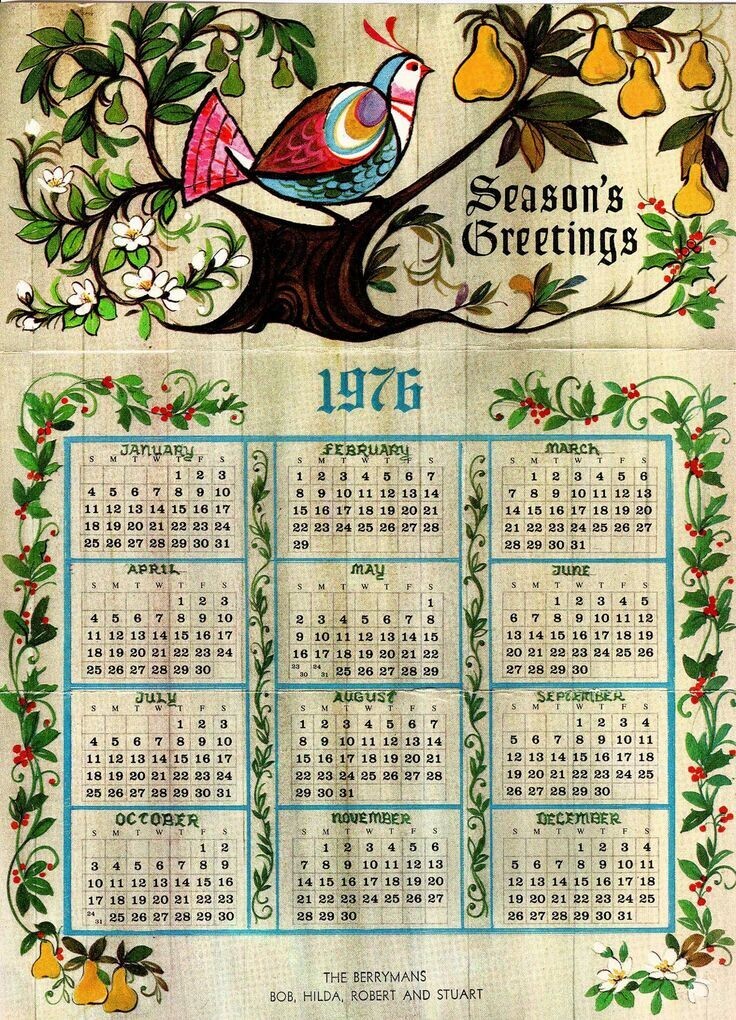
Calendars were carefully managed weeks or even months in advance, with limited flexibility once plans were set.
9
A Different Idea of Privacy

Privacy was largely assumed rather than constantly negotiated, as personal data was not widely shared or digitally exposed.
8
Driving Without Navigation Systems

Travel depended on maps, memory, and directions from others—long before GPS provided turn-by-turn guidance.
7
Screen Time Concerns Across Generations

While modern parents worry about devices, earlier generations often spent their time immersed in television as the dominant screen.
6
Long Hours as a Symbol of Productivity

Working extended hours was commonly equated with dedication and efficiency, even when output didn’t necessarily improve.
5
Printing Emails and Documents
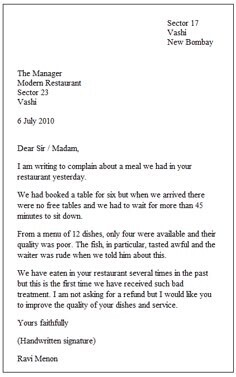
Digital communication often ended up on paper, reflecting a transitional era still tied to physical records.
4
Preference for Face-to-Face Meetings

In-person meetings were the default mode of collaboration, shaped by limited digital alternatives.
3
Equating Busyness With Success

A packed schedule was often interpreted as a sign of importance or productivity, regardless of actual results.
2
Printed Materials Everywhere

Brochures, flyers, and pamphlets were standard tools of communication and marketing in daily life.
1
A World Still Transitioning Out of the 1970s Mindset
Many cultural assumptions from the decade lingered far beyond its official end, reflecting a slower evolution of habits than technology itself.